
Dental virtual receptionists improve patient experience by answering every call, booking appointments instantly, and following up automatically so no patient feels ignored. When someone calls your office, they want help right away. If they reach voicemail, many will simply move on.
Dental practices miss calls every day. According to Z360, 62% of small businesses miss calls during business hours, and 85% of callers won’t try again if their first call goes unanswered. That’s not just a missed call. It’s a missed patient.
Your front desk team is busy. They’re handling hygiene schedules, insurance questions, and walk-ins all at once. After-hours emergency calls go to voicemail. Review requests get forgotten.
Meanwhile, offices using dental virtual receptionists answer instantly, book automatically, and follow up without extra payroll. Platforms like Broadly for dental practices combine AI communication, scheduling, messaging, and reviews in one simple app built for local service businesses.
Capture more leads and book more appointments with 24/7 AI
TL;DR
- Dental virtual receptionists are an AI-powered system that handles 24/7 dental call answering, scheduling, and automated follow-ups.
- Missed calls directly impact patient bookings, retention, and long-term revenue.
- Broadly combines answering, messaging, scheduling, and review management in one easy-to-use platform.
What Is a Dental Virtual Receptionist?
A dental virtual receptionist is an AI-powered or remote answering system that manages calls, texts, and appointment scheduling for a dental office. It works like a front desk assistant that never takes a break. Patients get instant responses, even after hours.
Many practices confuse a virtual dental receptionist with a basic dental answering service. There’s a big difference.
A traditional dental answering service usually takes a message and passes it along later. It doesn’t book appointments or send reminders automatically.
An AI dental receptionist, on the other hand, can:
- Answer common patient questions
- Schedule cleanings and consultations
- Route emergency calls
- Send confirmations by text
- Follow up after visits
You may also see the term dental office virtual receptionist. That usually refers to a system fully integrated into the practice’s workflow, not just a call center add-on.
There are two main models:
AI-Based Virtual Dental Receptionist
- Instant responses
- Handles multiple calls at once
- Lower monthly cost
- Works 24/7
Human-Based Remote Receptionist
- Real person answering remotely
- Higher cost
- Limited to set hours
Most modern practices are moving toward AI-first systems because they’re faster, more scalable, and easier to manage. The goal isn’t replacing your team. It’s giving them breathing room while every patient still feels heard.
How Does a Virtual Receptionist Work in a Dental Office?
A virtual receptionist dental office system follows a simple but powerful workflow. Everything happens in seconds, without your team picking up the phone.
Step-by-Step Workflow
- Patient calls or texts the practice: The system answers immediately. No hold music. No voicemail.
- Virtual receptionist dental office system responds: It greets the patient and asks how it can help.
- Identifies the intent: Cleaning, new patient exam, emergency pain, insurance question, or billing inquiry.
- Books through dental appointment scheduling software: The system checks availability in real time and secures the appointment.
- Sends automated confirmations and reminders: Patients receive text confirmations and reminders before their visit.
- Logs the conversation: Every interaction is stored for your records.
- Triggers automated dental patient communication follow-up: After the visit, it can send review requests or post-appointment instructions.
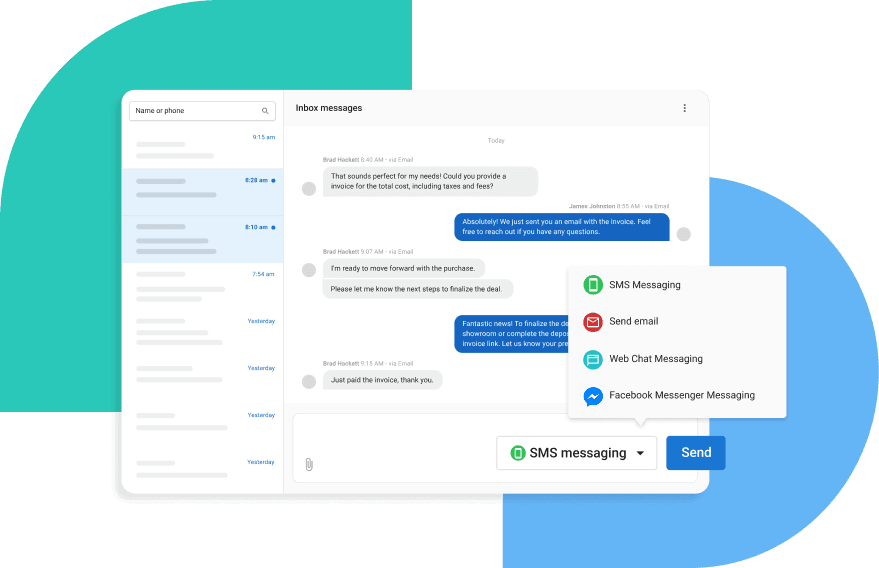
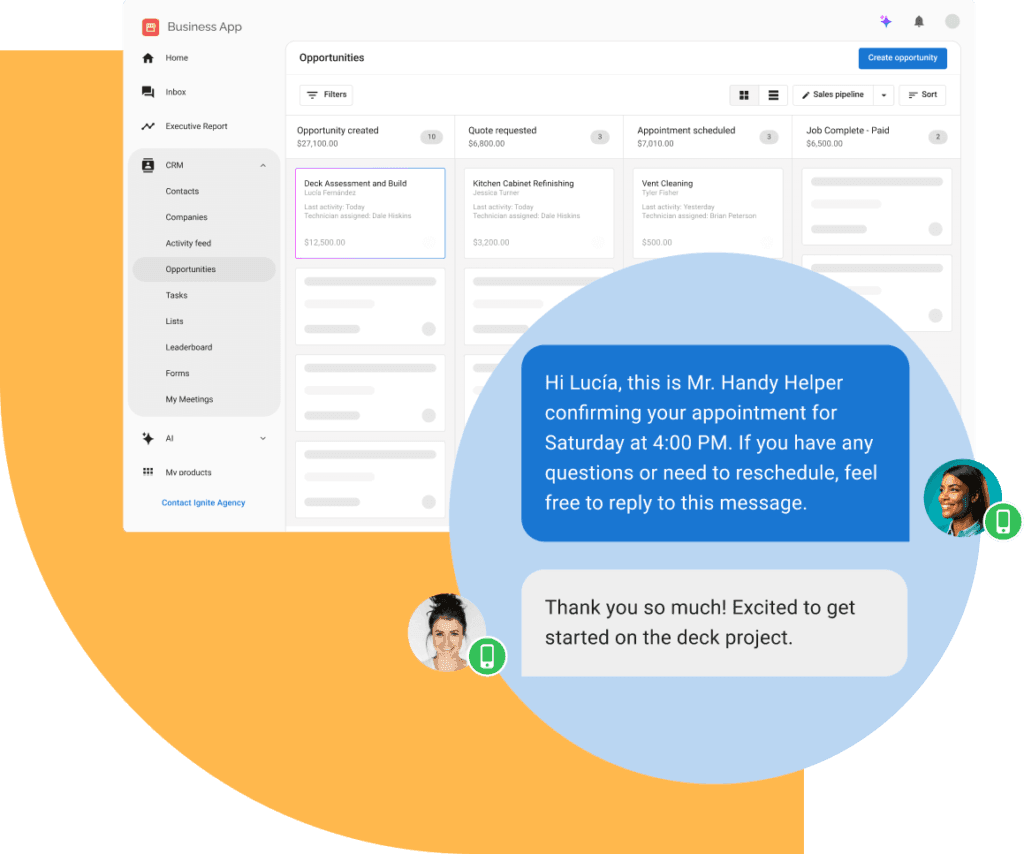
With Broadly, this entire flow lives inside one dashboard through Conversations. Your AI receptionist answers calls, texts, and chats in one place.
Broadly’s AI tools are built specifically for local service businesses, including dental offices.The result is simple. Faster responses. Fewer missed calls. Happier patients.
Why Patient Experience Improves With a Dental Virtual Receptionist
A great patient experience starts before someone even walks into your office. It begins the moment they call, text, or search for help. Dental virtual receptionists make that first interaction smooth, fast, and stress-free.
1. Faster Response Times
Patients expect quick answers. If they call during lunch hour and reach voicemail, many won’t try again.
An AI dental receptionist responds instantly. No waiting. No call transfers. Just clear answers and next steps.
Fast responses build trust. They also increase bookings. Studies consistently show that businesses responding within minutes convert significantly more leads than those who wait hours.
If you want to see how automated messaging supports this speed, tools like an SMS chatbot make it easy for patients to confirm, reschedule, or ask quick questions without picking up the phone.
2. 24/7 Availability
Dental emergencies don’t follow office hours. A chipped tooth at 9 p.m. still needs attention.
With 24/7 dental call answering, patients can:
- Book appointments after hours
- Leave detailed emergency messages
- Get routed to on-call instructions
- Receive confirmation immediately
That kind of availability feels professional and reassuring.
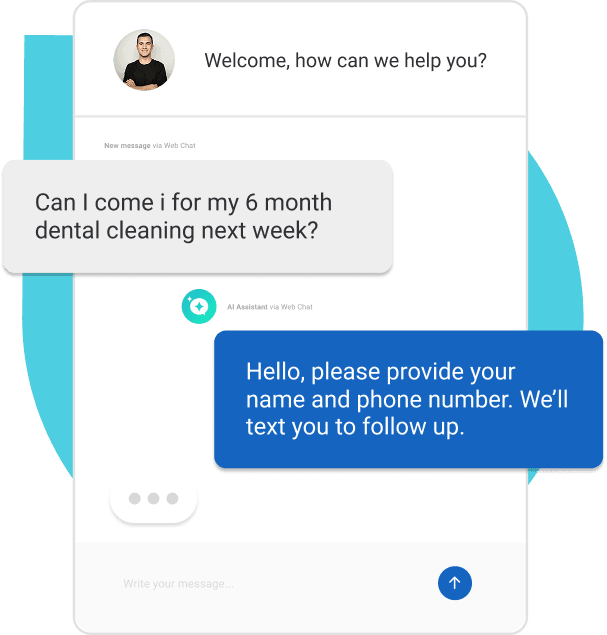
Many practices also use AI-driven messaging systems similar to local AI chatbots to handle website inquiries at any time of day. Patients feel taken care of, even when your team is off the clock.
3. Fewer Scheduling Errors
Manual booking leads to mistakes. Double bookings, missed notes, and forgotten confirmations all create friction.
Dental virtual receptionists connected to dental appointment scheduling software checks availability in real time. It books accurately and sends instant confirmations.
That reduces:
- Double bookings
- No-shows
- Back-and-forth phone calls
- Front desk stress
It keeps your schedule predictable and your team focused.
4. Consistent Follow-Up
Most practices know they should follow up after appointments. Few do it consistently.
An AI dental receptionist triggers automated dental patient communication like:
- Post-visit check-ins
- Hygiene recall reminders
- Review requests
- Treatment plan follow-ups
Consistent follow-up improves patient retention and strengthens trust.
Automated tools like a customer care chatbot help maintain ongoing communication without extra work from your staff.
When patients feel remembered, they come back.
Virtual Dental Receptionist vs In-House Staff
Many practice owners ask a simple question. Should I hire another front desk employee or use a dental office virtual receptionist?
Here’s a clear comparison.
Feature In-House Receptionist Dental Virtual Receptionist 24/7 Coverage No Yes Handles Multiple Calls No Yes Cost $35K–$50K/year (plus benefits) $200–$800/month Automated Follow-Ups Manual Yes Review Requests Manual Automated Vacation / Sick Coverage No Yes After-Hours Booking No Yes Emergency Call Routing Limited Automated Real-Time Scheduling Integration Manual entry Direct integration Response Speed Depends on workload Instant Scalability During Busy Seasons Limited Unlimited Message Logging & Reporting Manual notes Automatic dashboard Spam Call Filtering No Yes Multi-Channel Support (Text, Chat, Call) Limited Yes
Dental virtual receptionists doesn’t replace your team. It supports them.
The Hybrid Model: The Modern Best Practice
Many successful practices use a hybrid approach.
- AI handles routine calls, scheduling, and reminders.
- Staff focus on in-office patient care and complex cases.
This model reduces burnout, improves response times, and creates a smoother experience for patients. Your front desk stays human. Your communication becomes smarter.
What Makes the Best Virtual Dental Receptionist?
Not all tools labeled “virtual receptionist dental office” are created equal. The best virtual dental receptionist should do more than just answer calls. It should manage your entire patient communication flow.
Here are the must-have features to look for:
1. 24/7 Dental Call Answering
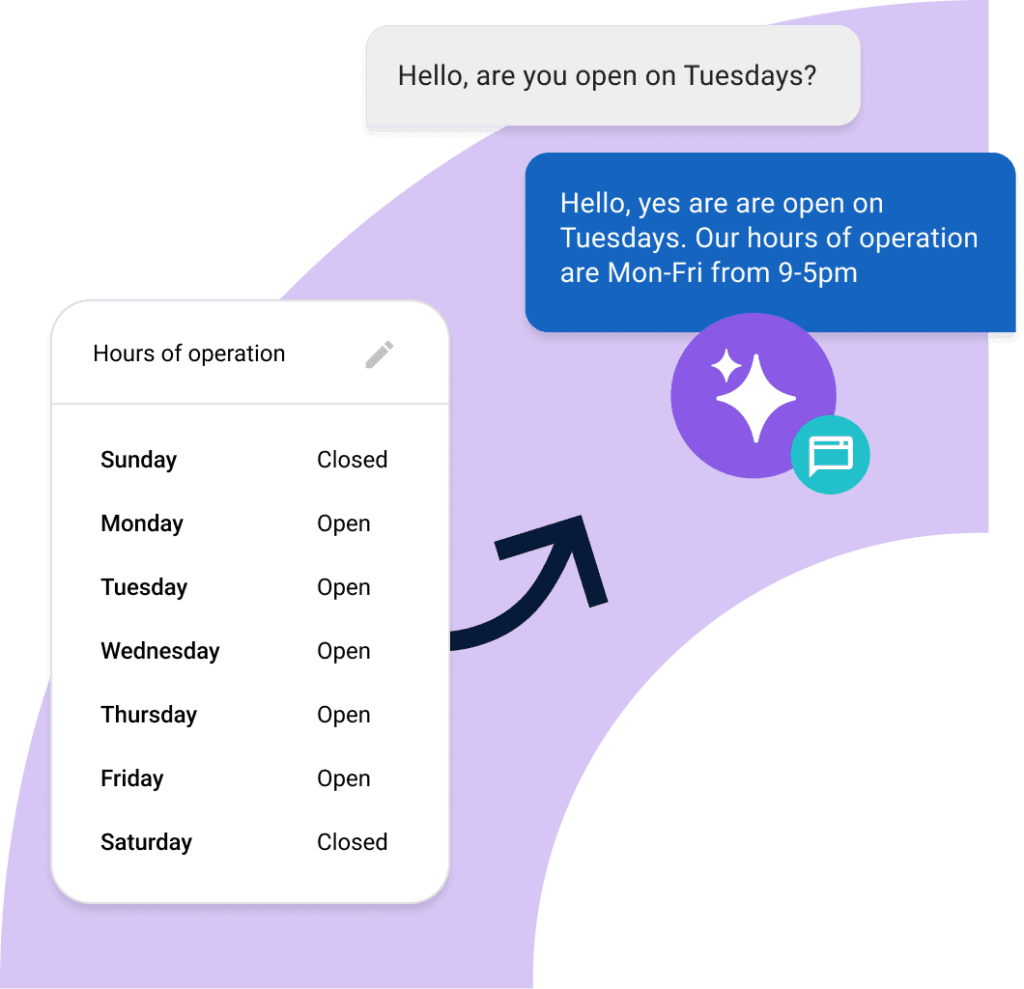
Patients call before work, during lunch, and late at night. A reliable system must provide 24/7 dental call answering so you never lose an after-hours opportunity.
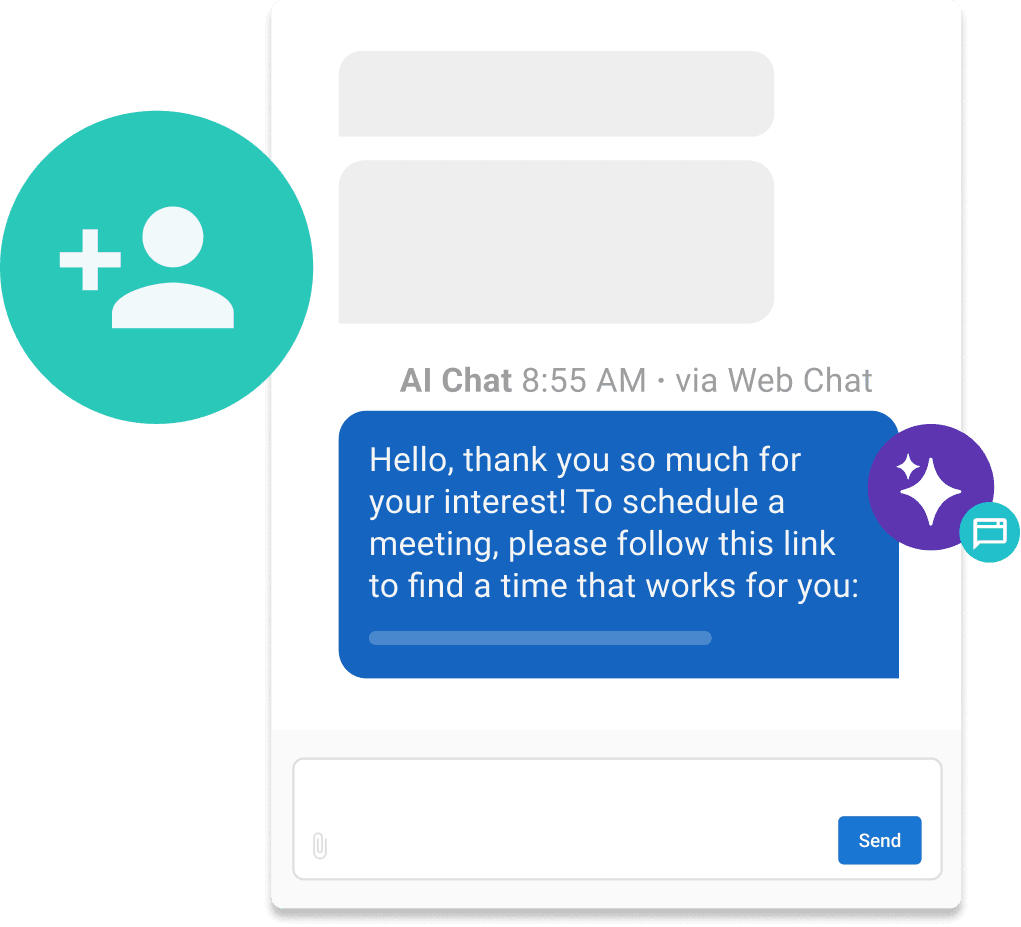
2. Two-Way SMS
Texting has become a preferred way for patients to communicate. When your system supports real-time messaging, patients can confirm, reschedule, or ask quick questions without waiting on hold.
3. Appointment Booking Integration
A strong virtual dental receptionist must connect directly with dental appointment scheduling software. Real-time calendar syncing reduces double bookings and eliminates manual entry errors.
4. Insurance FAQ Handling
Insurance-related calls take up a large portion of front desk time. Automating common responses keeps your team focused on in-office patient care.
5. Emergency Routing
When someone calls with sudden pain, the system should quickly identify urgency and route appropriately. Speed and clarity matter in these moments.
6. Review Automation
Consistent follow-up drives more 5-star reviews. When communication is automated, you collect feedback without relying on staff to remember.
This is where AI tools for small businesses become especially useful.
When answering, messaging, and follow-ups work together, patient communication feels seamless. It also connects naturally with marketing automation for small businesses, where appointment reminders, recalls, and promotions run automatically in the background.
7. Analytics Dashboard
You should see how many calls were answered, how many appointments were booked, and where leads are coming from. Clear reporting helps you grow with confidence.
Broadly brings all of these features together inside one simple app. Instead of juggling separate tools, you manage answering, messaging, scheduling, and reviews from a single dashboard built for local service businesses.
How Much Revenue Can Dental Virtual Receptionists Recover?
Most dental practices underestimate how much money slips away through missed calls. If you don’t answer, patients usually call the next office.
Here’s how to calculate your real revenue at risk.
Step 1: Gather Your Numbers
Start with your own data:
- Total weekly call volume
- Your current live answer rate
- Average new patient value
- Close rate (30% is common for dental consults)
Pull these from your phone logs and booking reports.
Step 2: Apply the Formula
Use this simple formula:
Weekly Missed Calls = Total Weekly Calls × (1 - Answer Rate)
Lost Opportunities = Weekly Missed Calls × 85%
Lost Patients = Lost Opportunities × Close Rate
Weekly Revenue Loss = Lost Patients × Average Patient Value
Annual Revenue Loss = Weekly Revenue Loss × 52
Step 3: Example Dental Practice Calculation
Let’s say your practice receives:
- 60 calls per week
- 50% answer rate
- $700 average new patient value
- 30% close rate
Now apply the math.
Weekly Missed Calls = 60 × 50% = 30 Lost Opportunities = 30 × 85% = 25.5 Lost Patients = 25.5 × 30% = 7.65 Weekly Revenue Loss = 7.65 × $700 = $5,355 Annual Revenue Loss = $5,355 × 52 = $278,460
Even if that estimate is aggressive and your real loss is half, that’s still nearly $140,000 per year.
That’s not a marketing problem. That’s a response-time problem.
Step 4: Compare to Solution Costs
AI dental virtual receptionists typically costs between $200–$500 per month.
Annual investment = $2,400–$6,000
If you recover even a fraction of lost calls, the return is significant.
This directly impacts local lead generation because most callers are already ready to book when they contact your office.
Dental virtual receptionists protect revenue that is already trying to reach you. It turns missed calls into confirmed appointments.
What This Means for Your Practice
You don’t need more marketing if you’re not answering the leads you already have.
Dental virtual receptionists improve patient experience and revenue at the same time. Patients get instant help. Your team gets fewer interruptions. Your schedule fills faster.
That’s practical growth without adding payroll.
How We Set Up Your Dental Virtual Receptionist
Switching to a dental virtual receptionist should feel easy. Here’s how the setup works for a dental office.
Step 1: Onboarding Call & Practice Strategy
We start with a focused onboarding session.
During this call, we:
- Review your most common call types (new patients, hygiene, emergencies)
- Identify scheduling rules and insurance FAQs
- Define after-hours and emergency routing
- Map your ideal patient booking flow
This ensures your virtual dental receptionist reflects how your practice actually operates.
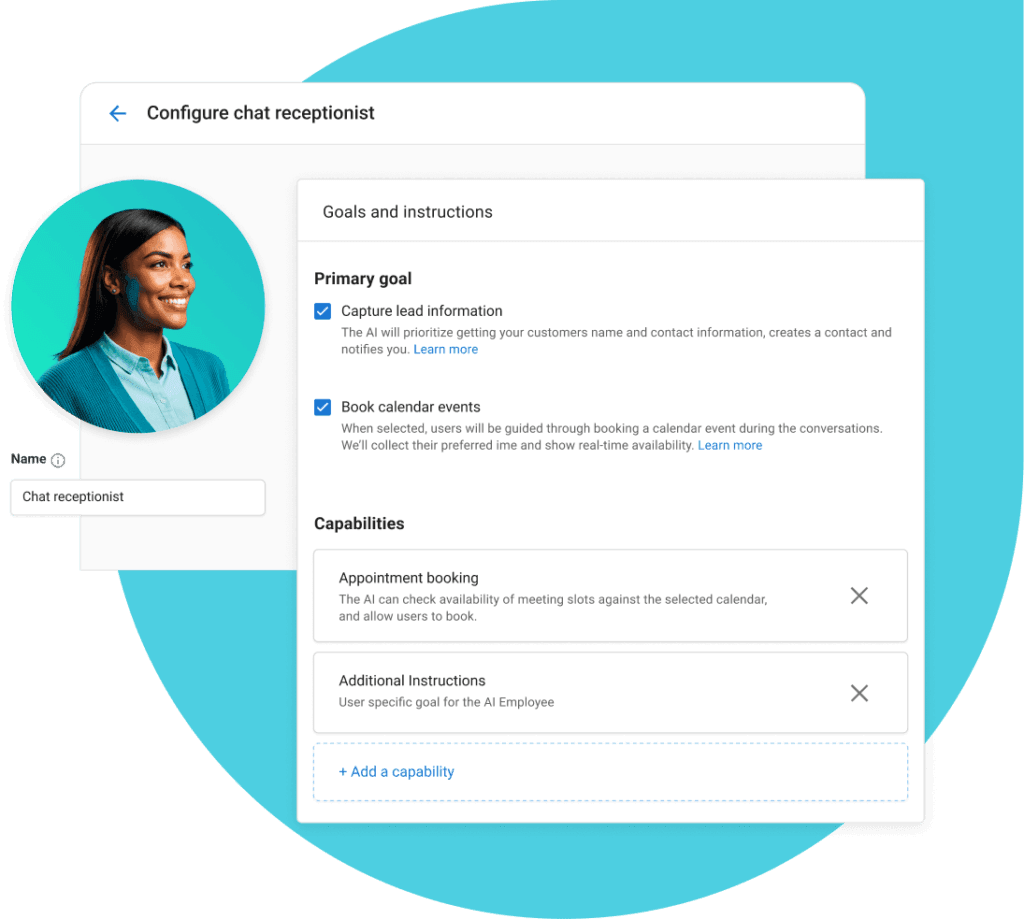
Step 2: Expert Setup & Integration
Next, everything gets configured for you.
Your dental virtual receptionists are connected to:
- Your dental appointment scheduling software
- Phone and text messaging systems
- Automated reminders and follow-ups
- Review request workflows
The system is customized to:
- Answer common patient questions
- Book appointments in real time
- Route urgent calls correctly
- Trigger automated dental patient communication
With Broadly, this setup happens inside one central dashboard. No juggling multiple tools.
Step 3: Team Training & 30-Day Optimization Check-In
Once your system is live, your team receives simple training. We show you how to:
- Monitor conversations
- Review booked appointments
- Adjust greetings or workflows
- Track call and booking performance
After 30 days, we review:
- Call answer rates
- Booking increases
- Missed call recovery
- Review growth
Then we fine-tune your dental office virtual receptionist for even better results.
What This Means for Your Practice
You don’t just “turn on” an AI dental receptionist. You implement a structured system designed around your workflow.
The result:
- Fewer missed calls
- Faster scheduling
- More positive reviews
- Less front desk pressure
That’s how the dental virtual receptionists improve patient experience from day one.
Beyond Calls: How a Dental Office Virtual Receptionist Supports Growth
Most competitors talk about answering calls. That’s only part of the story.
A modern dental office virtual receptionist does more than pick up the phone. It becomes the engine behind consistent growth.
Review Generation
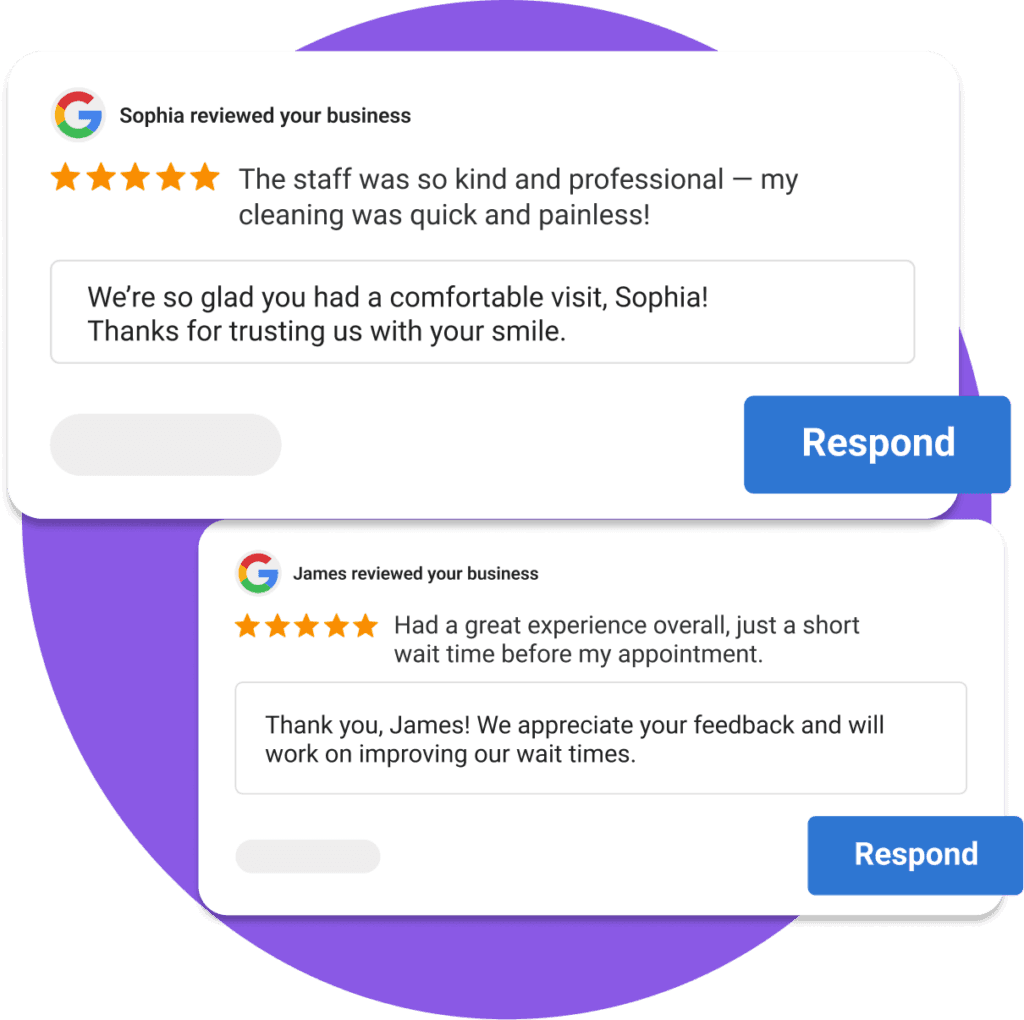
After each appointment, automated follow-ups can request reviews at the right time.
More 5-star reviews improve your local visibility and build trust before a patient ever calls. Consistent review generation strengthens your reputation month after month.

Patient Retention
Growth is not just about new patients. It’s about keeping the ones you already have.
A dental virtual receptionist supports retention by sending:
- Post-visit check-ins
- Treatment plan reminders
- Hygiene recall notifications
When patients feel remembered, they return.
Reminder Automation
No-shows hurt revenue and disrupt your schedule.
Automated reminders reduce missed appointments by sending confirmations and follow-ups automatically. Patients can confirm or reschedule without calling the office.
That keeps your chair time productive.
Recare Campaigns
Many dental practices have inactive patients who simply forgot to rebook.
A dental office virtual receptionist can trigger recare campaigns that:
- Identify patients overdue for cleaning
- Send gentle reminders
- Encourage quick online scheduling
Small nudges often bring patients back.
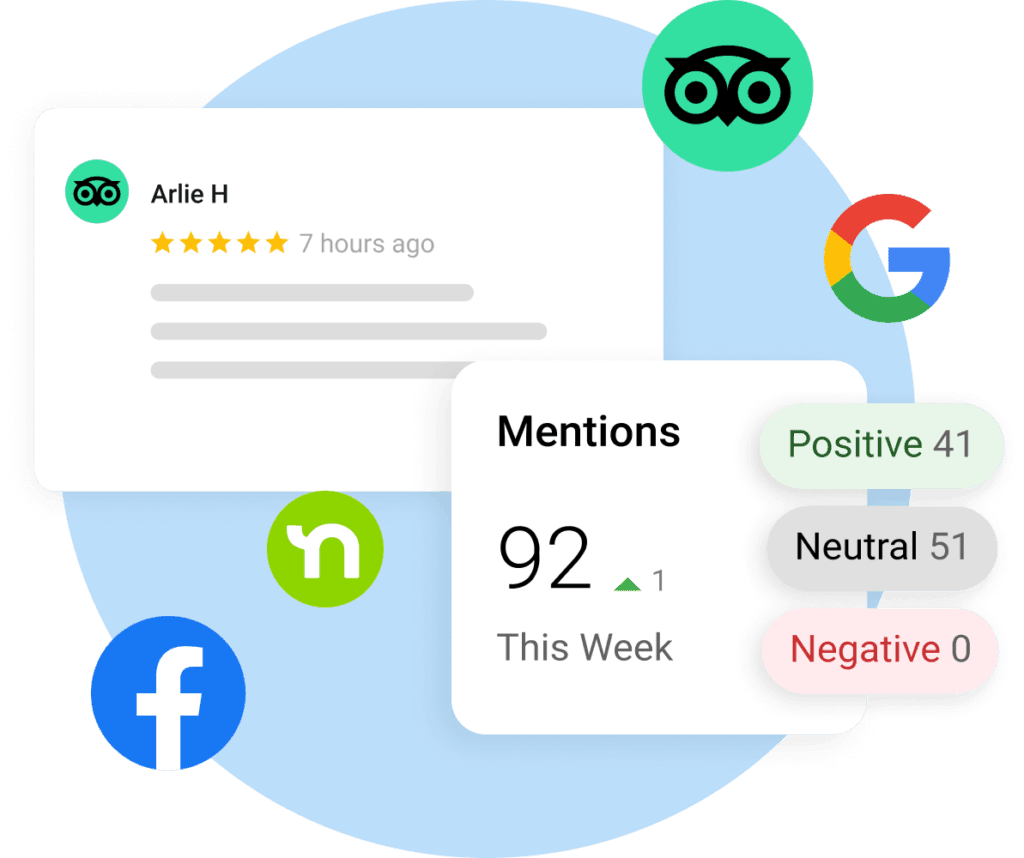
Reputation Management
Reputation isn’t built by chance. It’s built through consistent communication.
Automated review requests, fast responses to feedback, and steady engagement help you maintain a strong online presence. Patients check reviews before they call. A proactive system keeps you competitive.
Social Engagement
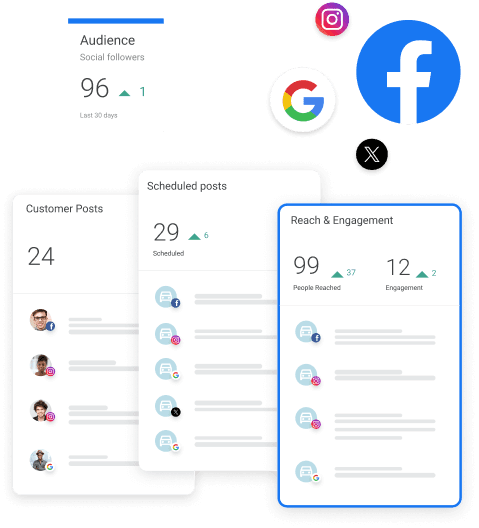
Patient communication extends beyond phone and text. A thoughtful social media strategy for small businesses keeps your practice visible and connected online.
When your messaging, reviews, and social engagement work together, growth becomes steady instead of unpredictable.
A dental virtual receptionist is not just a response tool. It’s a patient experience system.
When Should a Dental Office Get a Virtual Receptionist?
You should consider a dental virtual receptionist if:
- You miss calls regularly
- Your team feels overwhelmed
- You want 24/7 coverage
- You want more reviews
- You want fewer no-shows
- You’re growing fast
If even one of these sounds familiar, there’s likely revenue slipping through the cracks.
A virtual dental receptionist improves patient experience while giving your team breathing room. It helps you stay responsive, trusted, and engaged without adding complexity.
Is a Dental Virtual Receptionist Right for Your Practice?
A dental virtual receptionist improves patient experience by answering every call, booking appointments instantly, and following up automatically. It reduces missed opportunities while making your front desk more efficient.
Patients expect fast responses. They expect easy scheduling. They expect reminders. When those systems run smoothly, your practice feels professional and dependable.
The best part is simplicity. With Broadly, your AI receptionist, messaging, reviews, and reminders live inside one easy-to-use dashboard built for local service businesses. No complicated software. No extra payroll.
If you’re missing calls, dealing with no-shows, or trying to grow without adding staff, this is a practical next step.
Ready to See It in Action?
Schedule a demo and see how dental virtual receptionists can help your practice attract, convert, and engage more patients automatically.
Let your AI receptionist handle the calls. You focus on the smiles.
Dental Virtual Receptionists FAQs
1. What is a dental virtual receptionist?
A dental virtual receptionist is an AI-powered system that answers calls, books appointments, and follows up automatically. Tools like Broadly combine answering, messaging, and scheduling in one platform.
2. How does a virtual receptionist dental office system book appointments?
It connects to your dental appointment scheduling software, checks availability in real time, and confirms bookings via phone or text.
3. Is a virtual dental receptionist better than a dental answering service?
Yes. A traditional dental answering service takes messages. The dental virtual receptionists can book appointments, send reminders, and follow up automatically.
4. What is the best virtual dental receptionist for small practices?
The best virtual dental receptionist offers 24/7 answering, SMS, scheduling integration, and review automation. Broadly stands out because it combines communication and reputation tools in one simple app.
5. How much does a dental office virtual receptionist cost?
Most AI systems cost between $200–$800 per month, significantly less than hiring full-time staff.
6. Can a dental virtual receptionist handle after-hours calls?
Yes. It provides 24/7 dental call answering and can route emergencies or book appointments overnight.
7. Does a dental virtual receptionist improve patient satisfaction?
Yes. Faster responses, easier booking, and automated follow-ups create a smoother patient experience.
8. Can patients text a virtual dental receptionist?
Yes. Many systems allow two-way texting for confirmations, rescheduling, and FAQs. Broadly includes SMS communication in its Conversations feature.
9. Is an AI dental receptionist secure for patient information?
It depends on the provider. Always choose platforms designed for secure communication handling and role-based access controls.
10. How quickly can I set up a dental virtual receptionist?
Most systems can be configured in under an hour if you already use scheduling software. Broadly simplifies setup inside one dashboard.


