
AI for dental practices is changing how dental offices grow, and it has nothing to do with clinical care. Most practices lose patients before they ever sit in the chair. Missed calls, slow replies, forgotten follow-ups, and unrequested reviews quietly push patients to another provider.
Front desks are stretched thin. Staff juggle phones, texts, scheduling, insurance questions, and review requests while trying to keep the day moving. When response times slip, patients do not wait.
Did you know?
Wave Point Solution found that 82% of customers expect an immediate response, and most will not wait longer than 10 minutes before choosing another business. In dental practices, that delay often means a lost appointment.
The pressure adds up fast. No-shows drain revenue, reviews slow down, and staff burnout rises while patient expectations keep climbing.
This is where AI helps. Not as complicated technology, but as a practical way to stay responsive, reduce no-shows, and keep patients engaged without adding more work. For dental teams looking for a tailored solution built specifically for practices like yours, see why Broadly’s dental practice software is designed around real-world patient communication and retention.
In this blog, you’ll see where dental practices actually lose patients, how AI closes those gaps, what to look for in a real-world solution, and how Broadly fits naturally into daily dental workflows.
Capture more leads and book more appointments with 24/7 AI
TL;DR
- AI for dental practices automates patient communication, booking, reminders, and review requests.
- Dental offices using AI reduce missed calls, lower no-show rates, and improve patient retention.
- Broadly brings AI-powered patient messaging, appointment follow-ups, reminders, and review requests into one simple platform built for dental practices.
Where Dental Practices Actually Lose Patients
Dental practices rarely lose patients because of the care they provide. They lose them in the moments before and after the appointment, when communication breaks down, and expectations are not met.
The most common leaks are simple but costly. Calls go unanswered during peak hours or after closing. Website chats and text inquiries sit too long without a reply. Patients leave appointments with no follow-up, no reminder, and no reason to stay connected. Reviews depend on someone remembering to ask, which often means they do not happen at all.
Each gap ties directly to lost revenue. A missed call often means a missed new patient. A slow reply pushes someone to another dentist down the street. No follow-up increases the chance that a patient will never return. Fewer reviews weaken trust and reduce visibility in local search.
No-shows add another layer of loss. According to the Medical Group Management Association, a single missed appointment can cost practices between $150 and $200 in lost revenue. When reminders and confirmations are inconsistent, that cost adds up fast.
The takeaway is simple. Most patient loss happens outside the operatory, not inside it.
Why the Front Desk Is the Real Bottleneck in Dental Practices
Most growth problems in dental practices stem from communication issues. And almost all of them land on the front desk.
One or two people are expected to manage everything at once. Phones ringing. Texts coming in. Google messages. Website chats. Appointment scheduling. Insurance questions. Review requests. All while keeping the day running smoothly.
Patients expect fast answers, even after hours. They want to book, reschedule, or ask a quick question without waiting until morning. When that does not happen, they do not complain. They simply leave.
This is why many practices are adopting modern tools like local AI chatbots that help answer routine questions instantly across web and text while your front desk stays focused.
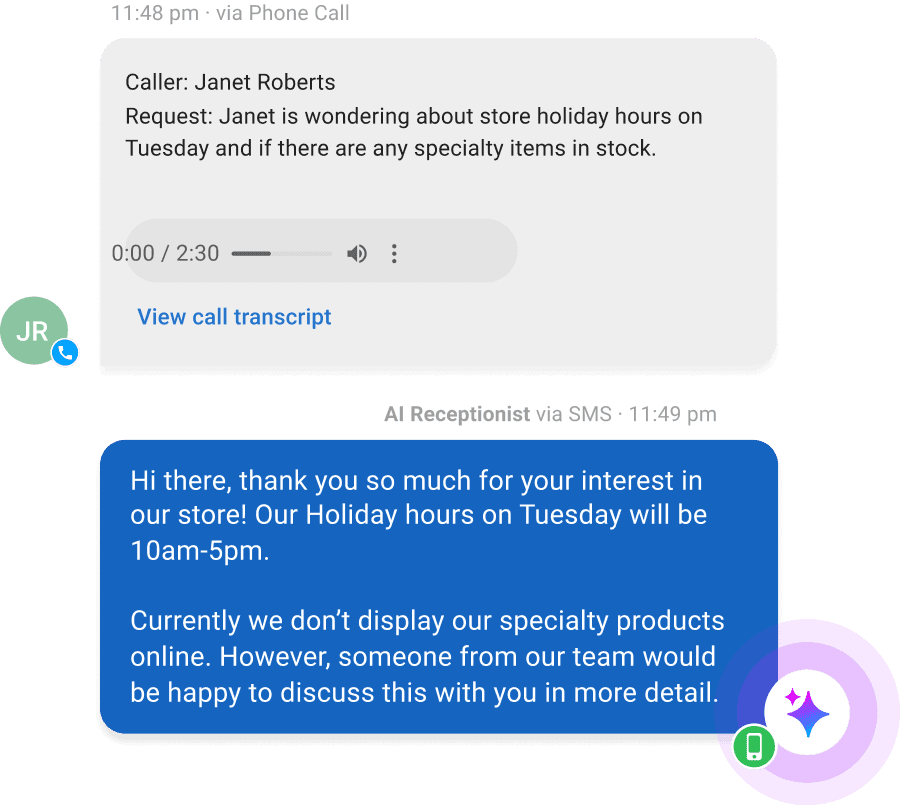
The front desk becomes the bottleneck because they’re doing too much manually. When communication depends on human availability alone, response times slow, follow-ups fall through, and opportunities disappear.
This is exactly where modern dental practices start to rethink how communication works, and where AI begins to play a practical role.
What AI for Dental Practices Actually Means Today
AI for dental practices refers to software that automates patient-facing tasks like answering questions, booking appointments, sending reminders, collecting reviews, and following up after visits. It focuses on communication and coordination, not clinical decision-making.
In simple terms, AI handles the repetitive, time-consuming work that slows teams down, so staff can focus on patients who need real attention. This kind of AI works quietly in the background, responding instantly, staying consistent, and never forgetting to follow up.
As practices streamline communication workflows, complementing AI-powered messaging with a thoughtful social media strategy for small business helps amplify patient engagement and keeps your brand top of mind across channels.
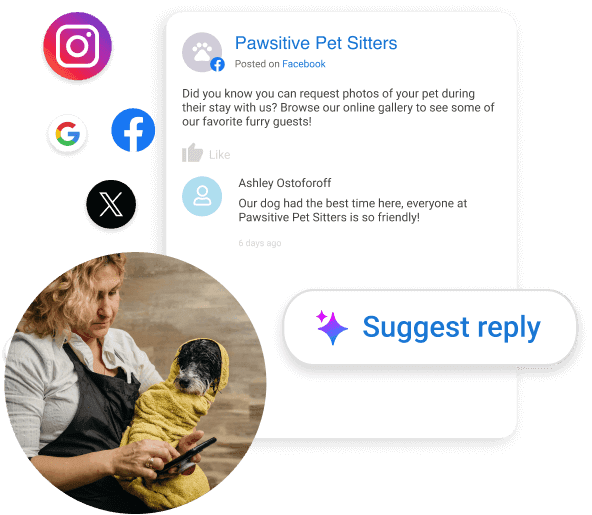
For dental practices, the biggest impact comes from automating the front desk workload, not from replacing dentists or hygienists.
What AI Should Be Handling
AI works best when it manages high-volume, repeatable interactions that patients expect to be fast and accurate. This includes:
- Answering common patient questions about hours, services, and insurance
- Handling appointment requests from text, chat, and web forms
- Sending reminders and confirmations before visits
- Requesting reviews automatically after appointments
- Following up when patients do not respond or miss a visit
These tasks are essential, but they do not require human judgment every time.
If you’re exploring the broader AI landscape, check out this overview of AI tools for small business that helps explain how automation can support routine communication tasks.
What AI Should Not Replace
AI is not here to replace the human side of dentistry. It should never step into areas that require expertise, empathy, or trust.
That includes clinical judgment, chairside care, treatment planning, and complex patient conversations. When AI is used correctly, it supports your team rather than replacing it. This balance keeps expectations realistic and ensures AI actually improves the patient experience instead of complicating it.
How Dental Practices Are Using AI Right Now
Dental practices are already using AI in practical, everyday ways. Not as experimental technology, but as a reliable layer that keeps communication moving even when teams are busy or the office is closed.
AI for Patient Communication
AI handles patient communication across text and chat, responding instantly at any hour. This reduces missed inquiries and takes pressure off the phone line during busy parts of the day.
In particular, many dental practices use an SMS chatbot to reply to patient texts instantly, which keeps messages from falling through the cracks.
Patients get answers quickly, and staff are not pulled away from in-office responsibilities to handle routine questions.
AI for Appointment Scheduling
Many practices use AI to manage bookings without back-and-forth calls. Similarly, an effective customer care chatbot can help answer appointment-related questions and guide patients through confirmations without manual intervention.
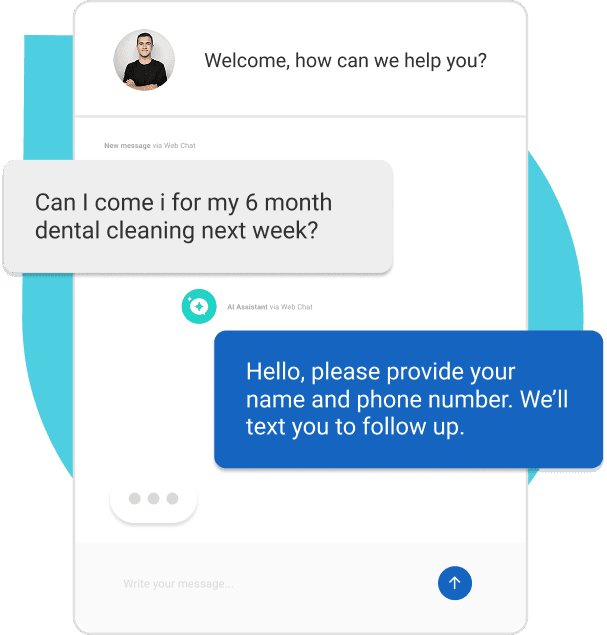
Patients can request appointments, confirm times, or reschedule without waiting on hold. Two-way confirmations make it clear who is coming in and when, helping the schedule stay accurate and full.
AI for No-Show Reduction
No-shows often happen when reminders are inconsistent or unclear. AI sends automated reminders, guides patients through confirmation steps, and follows up when someone does not respond. This extra layer of communication helps practices catch potential no-shows before they happen.
AI for Reviews and Reputation
AI also plays an increasingly important role in reputation management. Review requests are automatically sent after visits, leading to faster, more consistent feedback. Over time, this improves online visibility and builds trust with new patients searching for a dentist.
Consistent communication and reviews also support local lead generation, making your practice more visible when new patients are searching nearby.
The Real Benefits of AI for Dental Practices
When AI is used the right way, the benefits show up fast. Not in abstract metrics, but in fuller schedules, calmer teams, and better patient experiences.
Fewer Missed Calls, More New Patients
AI captures patient inquiries that staff cannot answer in real time. Calls, texts, and chats are handled instantly, even during busy hours or after closing. That means fewer missed opportunities and more new patients getting booked, rather than moving on.
Lower No-Show Rates
Forgotten appointments are a common problem, not a patient problem. Automated reminders and confirmations keep visits top of mind. When patients are prompted to confirm or reschedule, practices see fewer empty chairs and a more predictable schedule.
Happier Staff
Repetitive tasks wear teams down. Answering the same questions, sending reminders, and chasing confirmations takes time and energy. With AI handling those workflows, staff can focus on in-office patients and higher-value work instead of juggling constant interruptions.
Using marketing automation for small businesses to coordinate reminders, messages, and follow-ups helps reduce burnout and keep teams focused on patient care.
Better Patient Experience
Patients want fast, clear communication. AI delivers consistent responses, timely follow-ups, and smooth handoffs between channels. Conversations do not drop off, and patients feel taken care of from the first message through follow-up after their visit.
Why Most “Dental AI Tools” Don’t Work for Small Practices
Many dental AI tools fail because they are not built for how small practices actually operate.
Some require juggling multiple dashboards. Others take weeks to set up and maintain. Many are designed for large healthcare systems, not local offices with small teams.
The result is fragmented systems that do not talk to each other and end up creating more work instead of less. Dental practices do not need more tools. They need one system that works out of the box and fits naturally into daily workflows.
That shift makes all the difference.
A Simpler Model: One AI Layer for Patient Communication
Most dental practices don’t struggle because they lack technology. They struggle because their tools are scattered. Messages live in one place, reviews in another, follow-ups somewhere else, and nothing connects cleanly.
A simpler model works better. One inbox for patient messages across text, chat, and online inquiries. One system for requesting and managing reviews. One consistent flow for follow-ups before and after appointments.
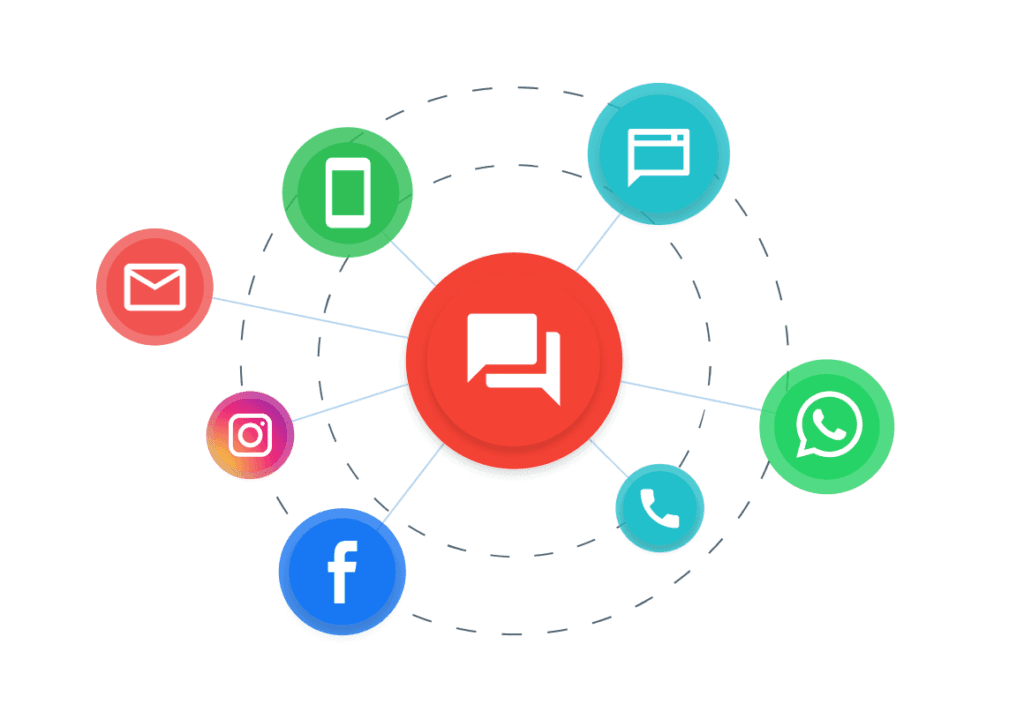
AI runs quietly in the background, handling routine communication automatically while staff stay focused on patients in the office. This approach removes friction instead of adding it. Instead of switching between tools or chasing conversations, everything stays connected.
That’s the idea behind software built specifically for dental workflows, like Broadly’s dental practice software, which is designed around how dental offices actually communicate with patients day to day.
How Broadly Supports AI for Dental Practices
Broadly’s role is simple. It supports AI for dental practices by keeping communication organized, automated, and easy to manage without changing how teams work.
Built for Real Dental Workflows
Broadly brings messaging, reviews, and follow-ups into one place. It’s designed for local service businesses like dental practices, not large enterprise clinics with complex systems. The focus stays on everyday tasks that keep schedules full and patients engaged.
AI That Works in the Background
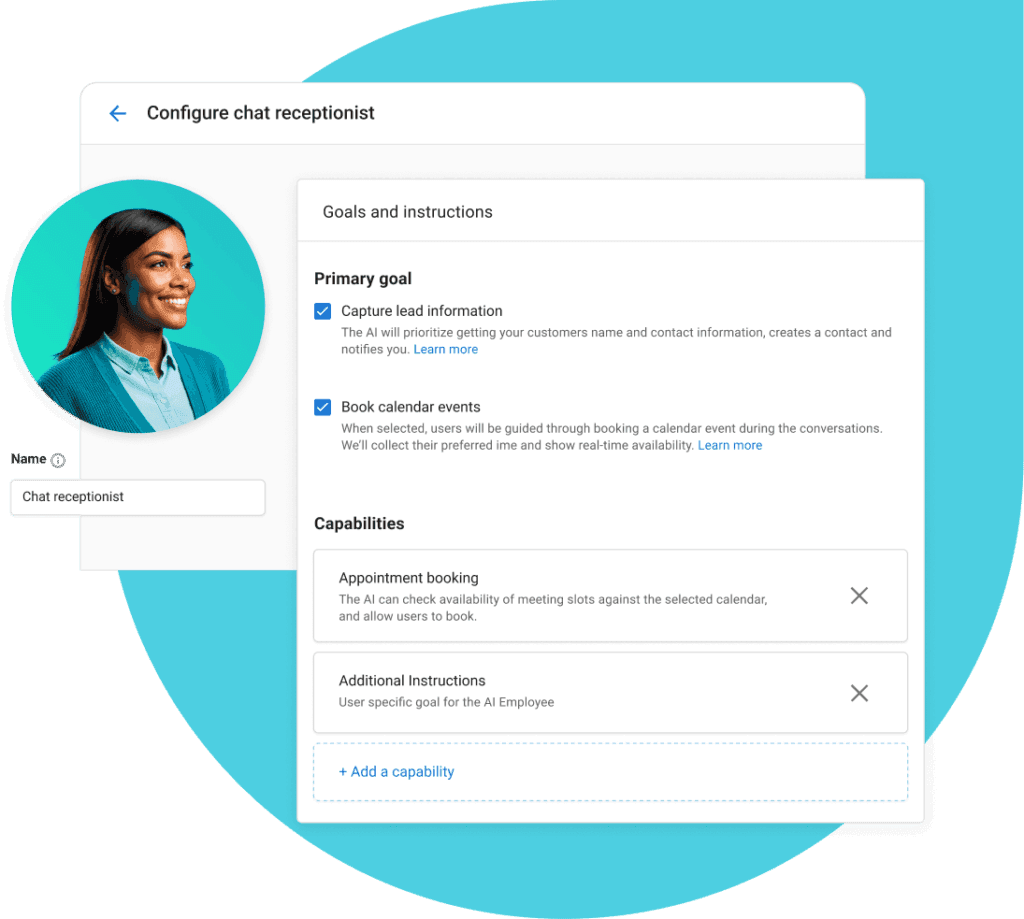
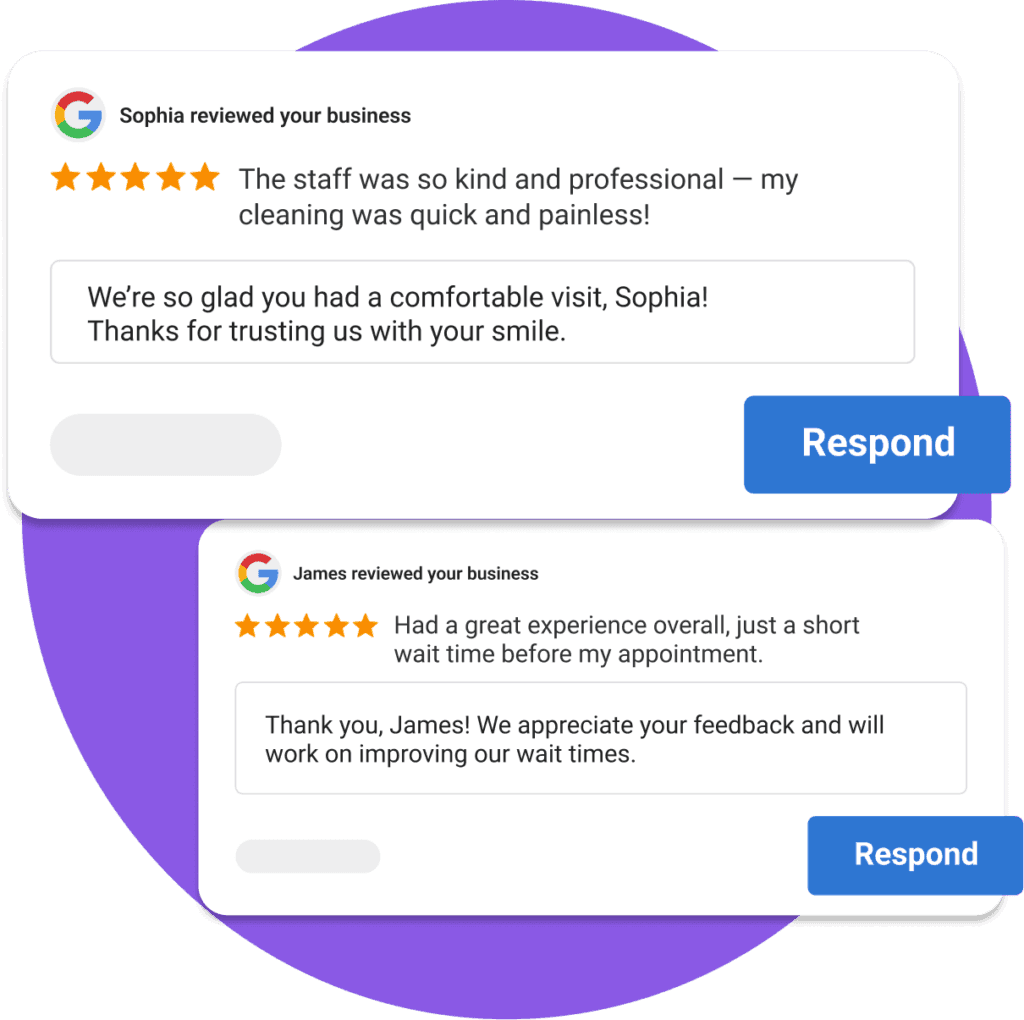
Broadly’s AI handles the repetitive work that slows teams down. It answers common patient questions, helps book appointments, sends reminders, and requests reviews automatically. These actions happen consistently, without staff needing to trigger each step manually.
Why Dental Practices Choose Broadly
Dental practices choose Broadly because it keeps things simple. Setup is straightforward. There’s no need to juggle multiple tools. Staff can start using it quickly without extensive training, which makes adoption easier and results faster.
How to Get Started With AI in Your Dental Practice
Getting started with AI does not require a full system overhaul. The most successful dental practices take a simple, focused approach and build from there.
Step 1: Identify Communication Gaps
Start by looking at where patients are slipping through. Most practices see the same patterns again and again. Missed calls during busy hours, slow responses to website or text inquiries, and inconsistent follow-ups after appointments.
These gaps are the easiest place for AI to make an immediate impact.
Step 2: Start With Patient-Facing AI
Focus first on AI that interacts directly with patients. Messaging, appointment booking, and review requests create the biggest wins early on. Automating these tasks improves response times and consistency without disrupting the practice's operations.
Step 3: Choose One All-in-One Platform
Avoid stacking multiple tools that do not talk to each other. Prioritize a single platform that brings communication, scheduling support, and reputation management together. Ease of use matters. If the system is simple, staff adoption will follow.
Step 4: Set Clear Staff Boundaries
Define where AI takes over and where people step in. AI should handle routine communication and follow-ups. Staff should step in for complex questions or sensitive conversations. This balance keeps service personal while reducing unnecessary workload.
The Future of AI for Dental Practices
AI in dental practices is moving in a clear direction. Less manual work. Fewer missed conversations. Better follow-through with patients.
What’s improving right now is how communication happens. Messages feel more natural. Follow-ups are timed better. Responses are based on real patient needs instead of generic scripts. Over time, this creates a smoother patient journey without putting more pressure on the front desk.
The practices seeing the strongest results keep things simple. They focus on answering every inquiry, confirming every appointment, and following up every time. Growth comes from removing communication friction, not from adding more tools for staff to manage.
Broadly supports this approach by bringing patient messaging, follow-ups, and reviews into one place. Its AI handles routine communication quietly in the background, helping teams stay responsive while keeping daily workflows manageable.
If you’re curious how this could work inside your practice, the next step is to schedule a demo. Seeing how messages, reminders, and reviews flow together makes it easier to picture how AI can support your team and improve the patient experience.
AI for Dental Practices FAQs
1. What is AI for dental practices?
AI for dental practices automates front-desk tasks like answering patient questions, booking appointments, sending reminders, and requesting reviews. It helps your office stay responsive without adding more work for your team.
2. How does AI improve patient retention in a dental office?
AI improves retention by keeping patients engaged after visits with timely follow-ups, recall reminders, and easy rescheduling. When communication stays consistent, patients are less likely to drift to another provider.
3. Can AI reduce no-shows for dental appointments?
Yes. AI sends automated reminders and confirmations, then follows up if a patient does not respond. That extra touch often prevents missed appointments and keeps your schedule tighter.
4. What patient communication can AI handle in a dental practice?
AI can respond to common questions about hours, services, location, and insurance basics. It can also manage texts, website chats, and online inquiries so patients get answers quickly.
5. Will AI replace my front desk staff?
No. AI is best used as support, not a replacement. It handles repetitive tasks and after-hours inquiries so your staff can focus on patients in the office and more sensitive conversations.
6. How does Broadly support AI for dental practices?
Broadly brings AI receptionist tools, patient messaging, follow-ups, and review requests into one app. It helps your team respond faster, reduce missed calls, and keep patients engaged automatically.
7. Is AI safe to use for dental patient communication?
It can be, when used correctly. AI should handle scheduling and routine communication, not clinical advice. Practices should also ensure the tool follows strong privacy and security standards.
8. What is the biggest mistake dental practices make with AI tools?
Stacking multiple tools that do not connect. That creates more work, not less. A single system that manages messages, reminders, and reviews in one place usually works better.
9. How long does it take to set up AI in a dental practice?
Many practices can start quickly, especially with tools designed for small teams. With Broadly, setup is focused on communication workflows, so you can see the impact without a heavy rollout.
10. What results should dental practices expect from AI?
Most practices see faster response times, fewer missed inquiries, more reviews, and better follow-through with patients. Over time, those improvements directly support patient retention and steady growth.


